
BLDC motors are known for their high efficiency and long lifespan, but understanding the factors that impact their durability and performance is essential for maximizing their reliability. In this article, we will explore the key elements that affect the lifespan of BLDC electric motors and provide methods for analyzing their reliability.
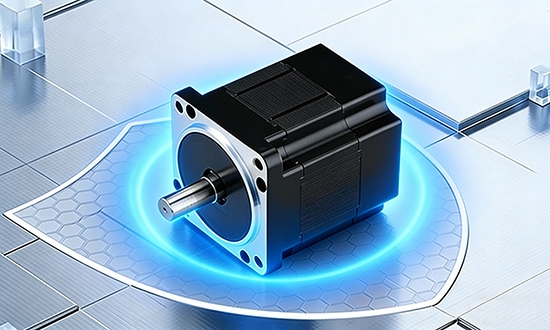
The Lifespan of a BLDC Motor: Key Determining Factors
The lifespan of a brushless DC motor is primarily influenced by the quality of its components, operating conditions, and maintenance practices. These factors collectively determine how long a motor will perform optimally before failure.
| Quality of Components | The materials used in constructing the motor have a significant impact on its lifespan. High-quality rotor magnets, stator windings, and bearings ensure the motor performs efficiently for a longer period. Poor-quality components can degrade quickly and cause the motor to wear out faster. |
| Operating Conditions | A motor’s environment—temperature, load, and vibrations—directly affects its longevity. For example, motors exposed to excessive heat or high loads may overheat and wear out prematurely. Motors used in environments with high vibrations can also experience faster wear on bearings and other sensitive components. |
| Maintenance and Care | Regular maintenance can extend the motor’s life by preventing common issues such as lubrication failure or dust accumulation. Properly maintaining the motor, including periodic lubrication and cleaning, ensures that the motor operates efficiently over time. |
Reliability of a BLDC Motor: Analyzing Failure Risks
Reliability analysis assesses the likelihood of a BLDC motor performing without failure over its intended lifespan. Various methods, such as FMEA, ALT, and statistical modeling, are used to evaluate and predict motor failure.
| Failure Mode and Effects Analysis (FMEA) | FMEA is a systematic approach used to identify potential failure modes in the motor’s design and components. This analysis helps to predict which components are likely to fail and allows for design modifications that improve motor reliability. |
| Accelerated Life Testing (ALT) | ALT subjects the motor to extreme conditions to simulate long-term wear in a shorter period. While this method can give valuable insights into the motor's durability, it's often used alongside other methods for a more accurate lifespan prediction. |
| Statistical Reliability Models | Statistical models like the Weibull distribution help predict motor failure rates based on historical data. These models allow manufacturers to estimate the reliability of a motor in different operating environments, providing valuable data for maintenance schedules and motor replacement plans. |
| Monitoring and Diagnostics | Continuous monitoring through diagnostic systems allows for the early detection of potential issues, such as overheating or abnormal vibrations. By identifying problems early, operators can avoid motor failure and ensure continued performance. |
Factors Affecting the Lifespan of a BLDC Motor
The primary factors that influence a BLDC electric motor’s lifespan include component quality, environmental conditions, and operating loads. Each of these factors needs to be carefully managed to ensure maximum durability.
| Quality of Materials | Motors made with superior materials, like high-grade magnets and bearings, tend to last longer. Subpar components can lead to faster degradation, reduced efficiency, and early motor failure. |
| Environmental Factors | The temperature and load conditions under which the motor operates are crucial for its longevity. Exposing a motor to excessive heat, high humidity, or harsh environments can accelerate wear and tear, leading to a shorter lifespan. |
| Load and Duty Cycle | Operating the motor under excessive load or continuously running it at high speeds can lead to overheating and mechanical stress. It is essential to ensure the motor operates within its rated limits to avoid damage. |
Maximizing the Lifespan and Reliability of a BLDC Motor
Maximizing a brushless DC motor’s lifespan and reliability involves optimizing its operating environment, ensuring regular maintenance, and using high-quality components. By following best practices, you can extend the motor's service life and avoid unnecessary downtime.
| Choosing High-Quality Components | Using premium-quality materials for key components like bearings and rotor magnets will reduce wear and tear, ensuring longer performance. |
| Optimizing Operating Conditions | Keeping the motor within its recommended temperature and load limits is crucial for longevity. Proper cooling and ventilation can prevent overheating and ensure smooth operation. |
| Regular Maintenance and Monitoring | Regularly maintaining the motor, including bearing lubrication, cleaning, and inspecting for any wear, will help prevent failures. Monitoring tools can provide real-time data to detect problems early and take corrective action. |
| Overcurrent Protection | Installing overcurrent protection circuits helps prevent motor damage from excessive current, which could otherwise cause insulation failure or thermal damage. |
Conclusion
The lifespan and reliability of a brushless motor depend on various factors, including component quality, operating conditions, and maintenance. By understanding these factors and implementing proper maintenance practices, you can ensure that your BLDC motor performs efficiently for many years. Analyzing motor reliability using methods such as FMEA, ALT, and statistical models allows manufacturers to predict and address potential issues, ensuring long-term performance and minimal downtime.
By following best practices and continuously monitoring the motor’s performance, you can maximize its lifespan, minimize failures, and make your investment in a BLDC electric motor pay off for years to come.


