
Brushless DC (BLDC) motors are renowned for their efficiency, longevity, and performance in various applications, from electric vehicles to robotics and industrial machinery. However, one common challenge when using BLDC motors is overheating, which can significantly reduce motor lifespan and performance. Thankfully, with the right strategies, you can avoid overheating and ensure optimal motor operation.
In this blog post, we'll dive into how to prevent BLDC electric motor overheating and provide practical tips to keep your motor running smoothly and efficiently.
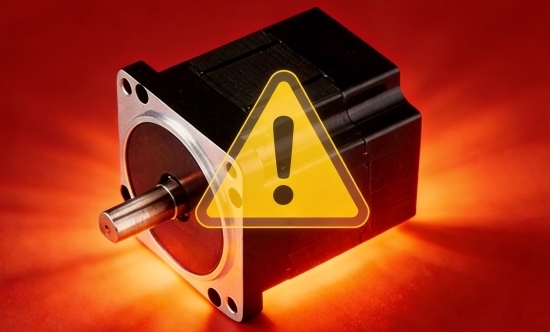
Understand the Causes of Overheating
Before tackling overheating, it's essential to understand the root causes. Here are a few common reasons why a brushless motor may overheat:
| Excessive Current Draw | High Ambient Temperature | Inadequate Cooling | Poor Motor Load Management | Incorrect Voltage |
| If the motor is drawing more current than it’s designed for, it can lead to excessive heat buildup. | Operating in hot environments can exacerbate the heating issue. | Lack of proper ventilation or cooling systems can prevent the motor from dissipating heat. | Running the motor at maximum load for extended periods can push the motor beyond its safe operating temperature. | Using a voltage that is higher than what the motor is rated for can cause overheating. |
Ensure Proper Sizing of the Motor
One of the easiest ways to prevent overheating is by ensuring that the motor you choose is appropriately sized for the application. A motor that is too small for the load will constantly be under stress, resulting in higher operating temperatures. Similarly, a motor that is too large for the task may be underutilized, leading to inefficiencies.
Make sure to consult the motor’s datasheet, match the voltage and current ratings with your system’s requirements, and avoid using motors at their maximum limits unless necessary.
Use Proper Cooling Techniques
Proper cooling is critical for maintaining optimal motor temperatures. There are several ways to keep your BLDC motor cool:
| Passive Cooling | Active Cooling | Thermal Management Systems |
| This is the most basic form of cooling, relying on natural airflow or heatsinks to dissipate heat. Ensure the motor has proper ventilation around it, especially if it’s enclosed in a casing. | For motors under heavy load or operating in warm environments, forced cooling methods like fans or liquid cooling can provide much-needed relief. Adding a fan near the motor or using liquid-cooled jackets can help regulate the temperature more effectively. | Advanced solutions like thermally conductive materials, cooling tubes, or heat exchangers can be integrated for more demanding applications, particularly in industrial machinery or electric vehicles. |
Monitor Motor Load and Speed
Running the motor at a lower load or lower speed can reduce the heat generated. If your application allows for it, operating the motor below its rated speed can significantly reduce the power consumption and the heat buildup. Moreover, avoid running the motor at full load for extended periods unless it’s specifically designed for continuous operation at that capacity.
If the motor is part of an automated system, consider incorporating load sensors to detect and regulate the load on the motor.
Use Quality Motor Controllers
A motor controller helps regulate the current and speed of the motor, and using a quality controller is essential for preventing overheating. Some controllers are designed with built-in temperature protection, current limiting, and over-voltage protection to ensure the motor operates within safe limits.
In addition to protecting the motor, advanced controllers can adjust the motor's performance dynamically, reducing the risk of overheating during sudden changes in load or speed.
Ensure Proper Wiring and Connections
Overheating can also occur if there is an issue with the wiring or connections to the motor. Insufficient wire gauge or poor connections can cause excessive resistance, leading to heat buildup. Make sure that wires are properly rated for the current the motor requires and that connections are secure and well-insulated.
Avoid Environmental Heat
Environmental conditions play a significant role in motor cooling. If the motor is operating in a confined space with poor ventilation or in an environment with high ambient temperatures, it will be much more prone to overheating. Whenever possible, place the motor in a location with good airflow and consider adding air conditioning or ventilation to the surrounding area if necessary.
Regular Maintenance and Inspections
Lastly, regular maintenance is key to preventing overheating issues. Periodically check the motor for dust, dirt, or debris that may block ventilation holes and disrupt airflow. Clean the motor and ensure that any cooling systems (fans, heat sinks, etc.) are functioning correctly.
Additionally, inspect the bearings and other components for wear, as any friction or mechanical resistance can lead to excessive heat generation. Replacing worn-out parts can improve the motor's overall efficiency and cooling.
Install Thermal Protection Devices
Some BLDC motors come equipped with built-in thermal protection that automatically reduces the motor’s performance or shuts it down if temperatures reach dangerous levels. If your motor doesn’t have this feature, you can add external thermal protection, such as thermal switches or sensors, that can cut off power when the motor reaches a critical temperature.
Conclusion
Overheating is a preventable issue in brushless DC motors, and by following these tips, you can significantly reduce the risk of heat-related failures. Proper motor sizing, cooling methods, load management, and regular maintenance all contribute to a cooler, longer-lasting motor. By taking proactive steps to prevent overheating, you can ensure that your BLDC electric motor performs optimally and has a long service life.
If you're facing overheating problems, don't ignore the signs. A little attention to these details can save you time, money, and potential damage down the line. Stay cool, and keep your motor running smoothly!


