
Choosing the right BLDC motor controller is crucial for achieving optimal performance, efficiency, and longevity of your motor system. The controller is responsible for regulating the motor's speed, torque, and direction, making it the heart of the system. Whether you’re working on a DIY project, an industrial machine, or an electric vehicle, selecting the right controller can have a significant impact on your overall system's performance.
In this blog post, we’ll walk you through the key factors to consider when choosing a brushless motor controller for your application, so you can make an informed decision.
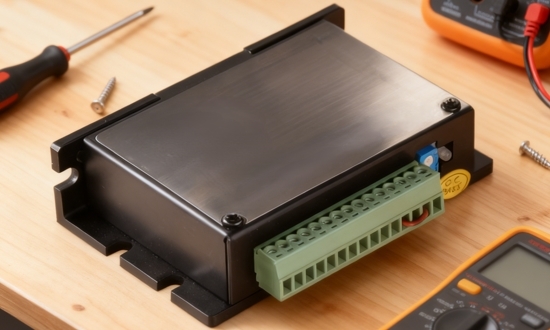
Understand Your Motor's Specifications
The first step in choosing the right controller is understanding your brushless DC motor's specifications. You need to match the controller to the motor's key parameters to ensure compatibility. Here are some key specs to keep in mind:
| Voltage Rating | Controllers must match the motor’s voltage range (e.g., 24V, 48V, 72V, etc.). An improper voltage match can cause the motor to perform poorly or even get damaged. |
| Current Rating | Make sure the controller can supply enough current to meet your motor's demands. This is especially important in high-torque applications. |
| Power Rating | The power rating (measured in watts) of the motor should be within the controller’s capability. A mismatch can lead to inefficiency or overheating. |
| Number of Poles | The number of poles in the motor affects the controller’s ability to drive the motor at the correct speed and torque. |
Determine the Type of Control You Need
BLDC electric motors typically use two types of control methods: open-loop control and closed-loop control. The choice between these two depends on your application's precision and performance requirements.
| Open-Loop Control | In this method, the controller doesn't receive feedback from the motor. It's simpler and cheaper but less precise. This type of controller is suitable for low-cost, non-critical applications where the motor doesn't require exact speed control (e.g., fans, pumps, simple robotics). |
| Closed-Loop Control | Also known as field-oriented control (FOC) or sensored control, this method uses feedback (typically from Hall sensors or encoders) to adjust the motor’s performance in real-time. It provides smoother operation, better torque control, and higher efficiency, making it ideal for applications requiring high precision, such as electric vehicles, drones, and robotics. |
Consider Your Application’s Environmental Conditions
The environment in which your motor and controller will operate can have a big impact on your choice. Key environmental factors include:
| Temperature Range | Make sure the controller is rated to function within the temperature range of your application. Some controllers are designed to handle high temperatures, while others may require additional cooling or ventilation. |
| Waterproofing / Dustproofing | If your system will be exposed to moisture or dust, choose a controller with an appropriate IP (Ingress Protection) rating. Controllers with a higher IP rating (e.g., IP65, IP67) can withstand outdoor or harsh environments better. |
| Vibration Resistance | In industrial or automotive applications, where vibration is common, a controller with enhanced shock and vibration resistance is crucial to ensure long-term reliability. |
Choose the Right Communication Interface
The communication interface allows your controller to communicate with other parts of your system, such as a microcontroller or higher-level control system. Common interfaces include:
| PWM (Pulse Width Modulation) | This is the most common control method for brushless motors and is typically used for open-loop applications. PWM control is simple and cost-effective. |
| CAN Bus | For more complex systems (e.g., electric vehicles), CAN (Controller Area Network) bus communication is often used. It allows multiple controllers and devices to communicate in real-time, providing higher system integration and fault tolerance. |
| RS485, I2C, or UART | Some specialized applications may use different communication protocols. Make sure the controller you choose supports the protocol compatible with your existing setup. |
Look for Key Features That Improve Performance
Many modern BLDC motor controllers come with additional features that can significantly improve your system’s performance and ease of use:
| Regenerative Braking | Some controllers support regenerative braking, which recovers energy when the motor slows down, improving efficiency, especially in applications like electric vehicles. |
| Overload Protection | Controllers with overload and overcurrent protection can prevent motor damage and system failure by cutting off power when the motor draws too much current. |
| Speed and Torque Control | Advanced controllers allow precise control over both speed and torque, enabling smoother and more responsive performance. |
Evaluate the Cost and Manufacturer Support
The cost of a BLDC electric motor controller can vary widely based on features, performance, and brand reputation. It's important to balance performance with your budget, but don’t sacrifice quality for price—especially if your system requires high reliability or operates in demanding environments.
Additionally, consider the level of support provided by the manufacturer. Are there detailed user manuals? Does the company offer technical support or troubleshooting? These are essential factors that can save you time and frustration when setting up and maintaining your motor system.
Test the Controller Before Finalizing Your Decision
Finally, before committing to a specific BLDC motor controller, it's highly recommended to test it in your application. Many motor controllers offer demo or evaluation kits that allow you to run tests in real-world conditions. This will help you identify any compatibility issues and ensure the system operates as expected.
Conclusion
Choosing the right brushless DC motor controller for your application is crucial for optimal system performance. By considering factors like voltage and current ratings, control method, environmental conditions, and additional features, you can select a controller that best fits your needs. Whether you're building a simple fan or a high-performance electric vehicle, taking the time to choose the right motor controller will ensure reliability, efficiency, and longevity for your system.
If you’re ever unsure, it’s always a good idea to consult with experts or manufacturers to ensure you're making the best choice for your specific application.


