
Brushless DC (BLDC) motors, known for their reliability and high efficiency, are widely used in a variety of applications, from electric vehicles to HVAC systems. What makes these motors even more efficient is their speed control, which can dramatically reduce energy consumption and extend their lifespan. In this blog, we’ll explore how speed control in brushless DC motors directly impacts energy efficiency.
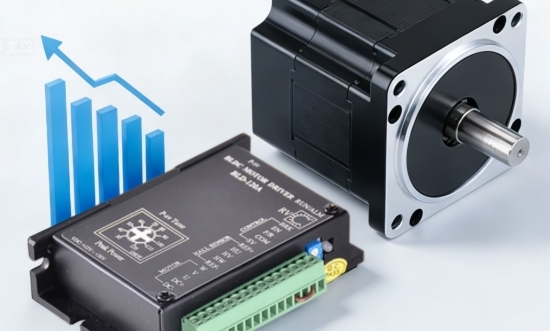
The Role of Speed Control in BLDC Motors
In most applications, controlling the speed of the motor is essential for optimizing performance and reducing energy consumption. BLDC motors, like all electric motors, consume power based on the load and the speed at which they operate. By adjusting the speed of the motor according to the specific needs of the application, we can significantly reduce unnecessary energy usage.
The speed of a BLDC electric motor is typically controlled using a technique called Pulse Width Modulation (PWM). PWM involves adjusting the width of the pulses in the electrical signal supplied to the motor, which in turn controls the motor’s speed. The higher the pulse width, the faster the motor runs. By varying the speed, it’s possible to fine-tune the power consumption and reduce wasted energy.
Energy Efficiency Benefits of Speed Control
1. Optimized Power Consumption:
One of the key benefits of controlling the speed of a brushless DC motor is the ability to match the power output with the actual demand. In many systems, such as HVAC or pumps, the motor may not need to run at full speed all the time. By reducing the speed when full power isn’t necessary, energy consumption can be dramatically reduced. For instance, an air-conditioning unit can run at a lower speed when the room has reached a comfortable temperature, using less energy in the process.
2. Reduced Mechanical Stress:
Speed control also helps reduce mechanical stress on the motor components. Running at a lower speed, or adjusting the speed as needed, helps maintain the longevity of the motor. This reduces the wear and tear on the motor and associated components, which can lower maintenance costs and the need for frequent replacements. As a result, the overall energy efficiency of the system is improved, not just in terms of power usage but also in terms of longevity and reliability.
3. Improved Load Matching:
BLDC electric motors often experience energy losses when running under variable loads. Speed control enables the motor to match its speed to the load demand, thus minimizing unnecessary power consumption. For example, in industrial processes like conveyor systems or mixers, the motor can adjust to work at an optimal speed relative to the load, avoiding overconsumption of energy when the load is light.
4. Precision Control and Performance:
By adjusting the motor’s speed, precise control can be achieved in applications requiring fine-tuned performance. This precision allows the motor to operate within a narrow energy band, which can be especially useful in applications where the load fluctuates frequently. This type of speed regulation ensures the motor operates efficiently without wasting excess energy, which is crucial in energy-conscious industries.
Real-World Applications: Energy Saving in Action
Let’s consider a couple of real-world examples of how BLDC motor speed control translates into energy savings.
- Electric Vehicles (EVs): In electric vehicles, BLDC motors are used to drive the wheels. These vehicles often use speed control to regulate the motor’s output depending on factors like road conditions and driving speed. When a car slows down or is cruising at a constant speed, the motor runs at a lower speed, saving energy and extending the driving range of the vehicle. By intelligently managing speed, EVs can achieve better efficiency and reduce the need for frequent charging.
- HVAC Systems: In air conditioning systems, brushless DC motors power compressors and fans. Using speed control, the system can adjust the speed of the motor based on the temperature requirements, allowing for more precise cooling or heating. Instead of constantly running the motor at high speeds, it adjusts to the demand, reducing both energy consumption and wear on the components. This helps save energy without sacrificing comfort.
- Pumps and Fans in Industrial Settings: Many industrial applications use BLDC motors to drive pumps and fans, such as in water treatment plants or ventilation systems. By controlling the speed of the motors based on the actual need (e.g., water flow or airflow), these systems can significantly cut down on power consumption, especially in cases where the motor runs for extended periods of time.
The Future of BLDC Motor Speed Control
The integration of smart technologies, sensors, and IoT (Internet of Things) systems is poised to further enhance the potential of BLDC motor speed control. As industries become increasingly automated and connected, we can expect more sophisticated motor control algorithms that will not only optimize energy consumption but also provide real-time performance data. This data can help with predictive maintenance, further reducing downtime and unnecessary energy use.
Moreover, as the world continues to shift towards renewable energy sources, energy-efficient motor control will play a vital role in maximizing the use of solar, wind, and other green energy solutions. BLDC motors, with their high efficiency and adaptability, will be at the forefront of this transformation.
Conclusion
The role of BLDC electric motor speed control in energy efficiency cannot be overstated. By intelligently adjusting the motor's speed to match the demands of the application, we can optimize energy consumption, reduce wear and tear on motor components, and improve overall system performance. As energy conservation becomes an increasingly important factor in both industrial and consumer applications, the benefits of brushless DC motors and their speed control systems will continue to be a key driver of innovation and sustainability.
Adopting BLDC motors with efficient speed control isn’t just a way to improve performance, it’s an investment in long-term energy savings and a more sustainable future.


