
Brushless DC motors, or BLDC motors, are widely utilized due to their high efficiency, long lifespan, and little maintenance requirements. These motors are used in electric cars, industrial automation systems, drones, medical gadgets, and household appliances. To better understand how a BLDC motor works, read about its major components and their functions.
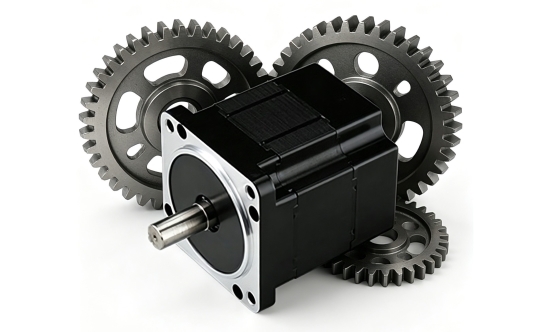
Rotor
The rotor is the primary rotating component of a brushless DC motor. Permanent magnets are typically used to generate a magnetic field while in operation. As the stator generates a rotating electromagnetic field, the rotor follows suit and causes mechanical rotation. The quality and placement of magnets have a direct impact on the motor's torque, speed, and efficiency.
Stator
The stator is the stationary component that generates the electromagnetic field. It consists of laminated steel cores and copper windings that transport electric current. When the controller energizes the windings sequentially, the stator generates a revolving magnetic field that powers the rotor. A properly constructed stator improves heat dissipation and overall motor performance.
Permanent Magnets
Permanent magnets are crucial in determining the performance of a BLDC motor. Because of their strong magnetic qualities, these magnets are typically manufactured of neodymium or ferrite. High-quality magnets boost power density, improve efficiency, and minimize energy loss during operation. Stronger magnets also enable the motor to provide more torque in compact designs.
Electronic Controller
The electronic controller regulates the operation of the BLDC electric motor. Unlike brushed motors, BLDC motors use electronic commutation rather than physical brushes. The controller alternates current between the stator windings to ensure smooth and correct rotation. Modern controllers may also regulate speed, torque, and safeguard against overheating or overload.
Hall sensors
Many BLDC motors use Hall sensors to detect the position of the rotor. These sensors transmit position signals to the controller, allowing it to power the correct stator windings at the appropriate moment. Accurate position detection increases efficiency, stability, and motor responsiveness. Some sophisticated brushless DC motors employ sensorless technology to simplify design and reduce maintenance requirements.
Bearings
Bearings are critical components that support the rotor shaft while reducing friction during rotation. High-quality bearings contribute to smoother operation, lower noise levels, and extended service life. They also increase efficiency by reducing mechanical resistance. Proper bearing selection is critical for applications requiring high speed or continuous operation.
Shaft
The shaft transmits the motor's mechanical power to external equipment or systems. It is typically constructed from robust and durable materials to withstand rotational force and mechanical stress. A perfectly constructed shaft promotes stable performance and decreases vibration during operation. The shaft design influences the motor's compatibility with various applications.
Advantages of BLDC Motors
Brushless DC motors offer several advantages compared to brushed motors, including:
- Higher efficiency
- Lower maintenance requirements
- Longer service life
- Reduced noise
- Better speed control
- Improved reliability
Conclusion
Each component of a BLDC motor contributes significantly to its efficient and dependable functioning. The rotor, stator, controller, sensors, and other components all work together to provide smooth and precise motion control. As the demand for energy-efficient and high-performance motors grows, BLDC electric motors will continue to play an essential role in a variety of industries.


