BLDC Motor Speed & Direction Control
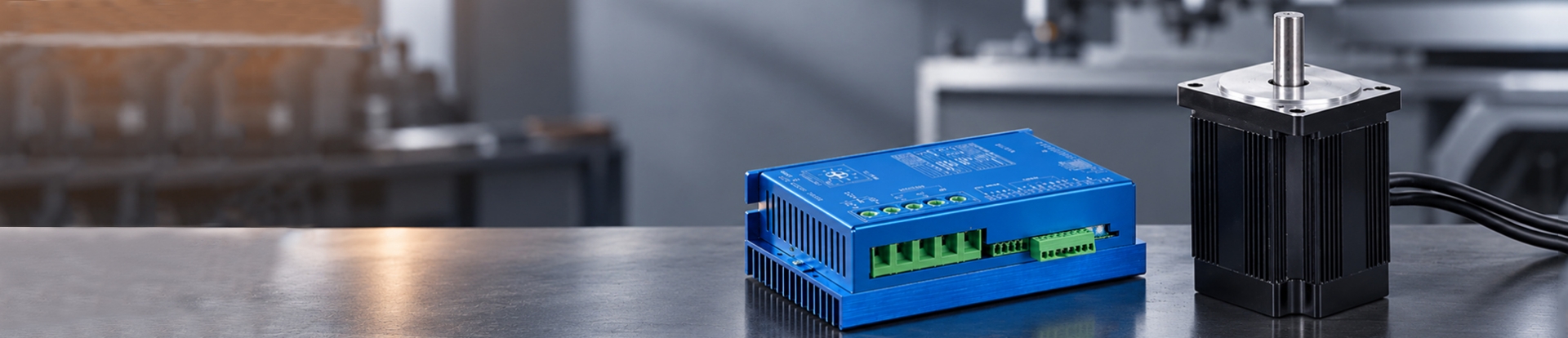
BLDC motors support different control methods depending on the brushless motor controller and application requirements. Common options include analog voltage, PWM, RS485, and digital I/O control. These methods allow users to adjust BLDC motor speed, change direction, and configure different operating modes.
BLDC Motor Control Methods
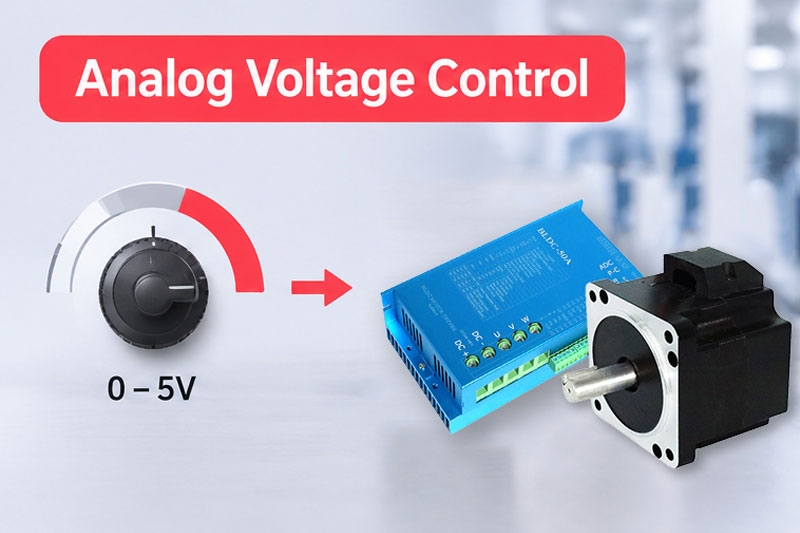
Analog voltage control uses a variable voltage signal, typically from a potentiometer, to adjust BLDC motor speed. It is commonly used for manual speed adjustment.
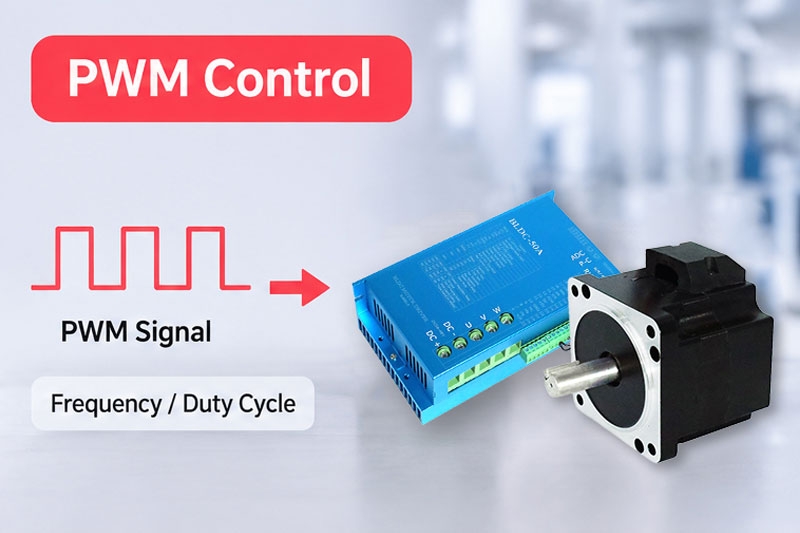
PWM control uses a pulsed input signal to adjust brushless DC motor speed. Depending on the controller, speed can be regulated by changing the input frequency or duty cycle.
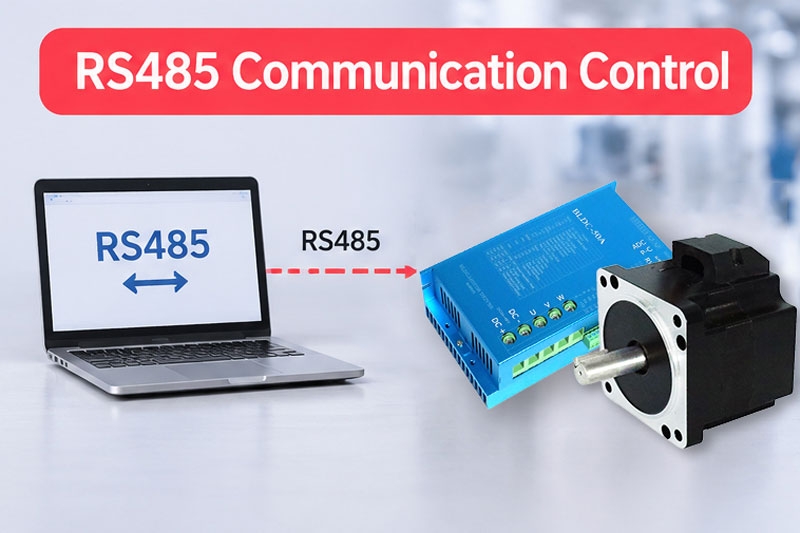
RS485 communication connects a brushless DC motor controller to a PC, PLC, or other devices. It supports speed adjustment, direction control, and preset speed settings.
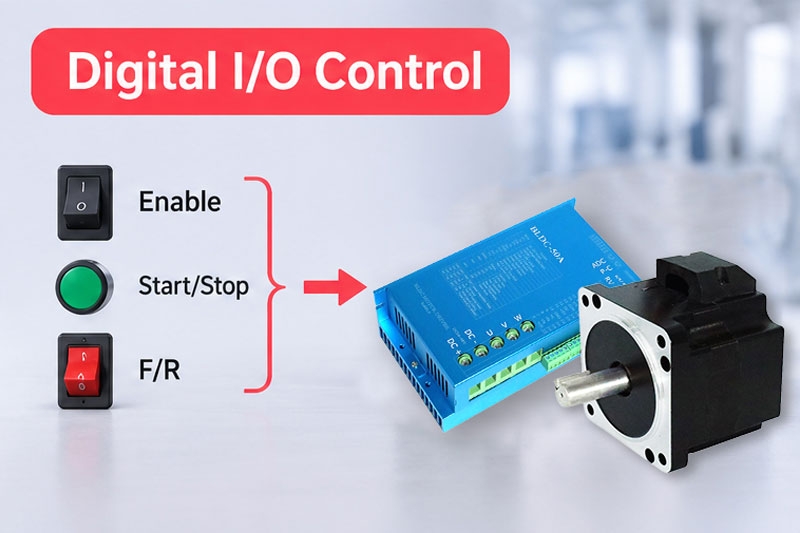
Digital I/O uses external switches or digital signals to control various BLDC electric motor functions. It commonly supports enable, start/stop, and forward/reverse operations.
BLDC Motor Control Tutorials
Explore our practical BLDC motor control tutorials and articles to learn about wiring, signal configuration, speed adjustment, and direction control.
Analog Voltage Control
PWM Control
RS485 Communication Control
Digital I/O Control
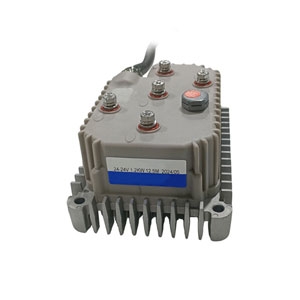
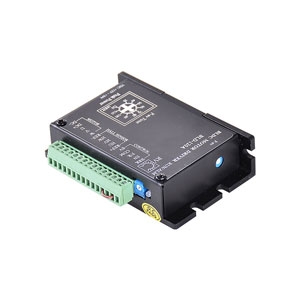
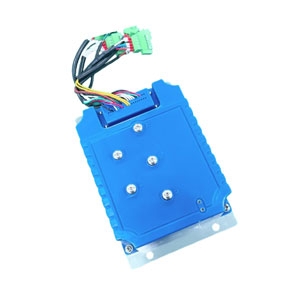
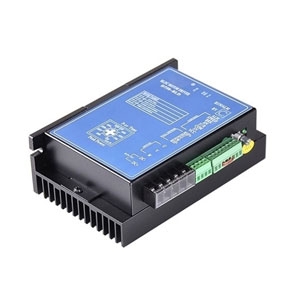
BLDC Motor Controllers
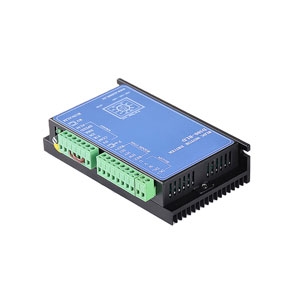
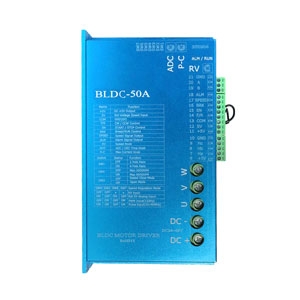
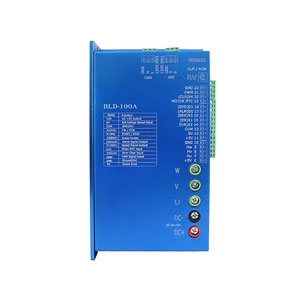
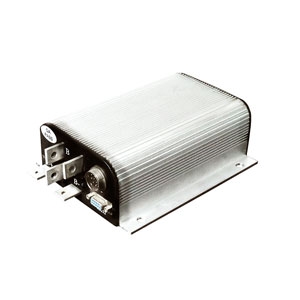
Choosing the right motor driver is essential for meeting your brushless DC motor's control requirements. BLDC.com offers motor controllers with different voltage ranges, power ratings, and control interfaces to suit various motor specifications and applications.
Explore our BLDC motor controllers to find a suitable option for your motor and application.